


Divorce in the USA: Rising Trends, India vs USA Comparison & Ancient Vedic Solutions
Divorce in the USA is rising due to lifestyle changes, stress, and shifting values. Compare USA vs India divorce data, explore causes, solutions, and powerful Indian Vedic wisdom for saving marriages.
Divorce has become a major social topic in the United States, affecting families, children, and society at large. While divorce is often seen as a personal choice, its increasing numbers reflect deeper social, economic, and cultural changes. This blog explores why divorce rates increased, the current situation in the USA, a comparison between India and the USA, and finally offers modern solutions along with Indian Vedic wisdom for marital harmony.
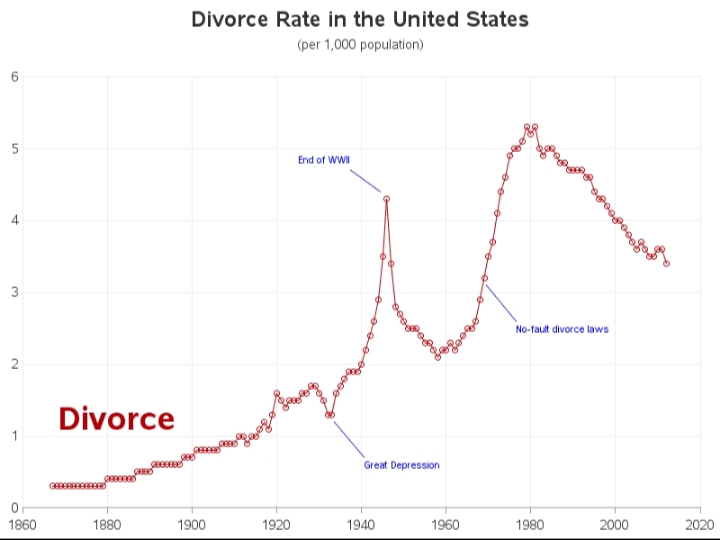
A. Why Divorce Rates Increased in the USA
Several interconnected reasons have contributed to the rise of divorce in the USA:
1. Changing Expectations from Marriage
Modern marriages are expected to provide emotional satisfaction, personal growth, and equality. When these expectations are unmet, couples are more likely to separate.
2. Financial Independence
Economic independence—especially among women—has empowered individuals to leave unhappy or toxic marriages.
3. Lifestyle Stress & Work Pressure
Long working hours, job insecurity, debt, and lack of family support increase mental stress, leading to conflicts at home.
4. Decline of Social Stigma
Divorce is no longer viewed as a social failure in the USA. Lower stigma makes separation a more acceptable option.
5. Weak Conflict-Resolution Skills
Lack of communication, anger management issues, infidelity, substance abuse, and ego clashes remain major triggers.
B. Present Scenario of Divorce in the USA
- The USA still records one of the highest divorce rates among developed nations.
- Although the overall divorce rate has slightly declined in recent years, relationship instability remains high.
- Divorce is more common among:
- Early marriages
- Low-income households
- Couples with poor emotional compatibility
Importantly, remarriage and blended families are now common, reshaping the traditional family structure.
C. Divorce Data Comparison: India vs USA
| Aspect | USA | India |
|---|---|---|
| Divorce Rate | High | Low (national average) |
| Social Acceptance | Widely accepted | Still stigmatized |
| Family Structure | Nuclear families | Joint/extended families |
| Legal Process | Fast & accessible | Lengthy & complex |
| Urban Trend | Stable but high | Rapidly increasing |
Key Insight
India’s divorce rate appears low mainly due to social pressure, family involvement, and cultural values. However, urban India is witnessing a sharp rise, making it closer to Western patterns.
D. Practical Solutions to Reduce Divorce
1. Pre-Marital Counseling
Educating couples about realistic expectations, finances, and conflict management before marriage.
2. Marriage Counseling & Therapy
Normalizing therapy instead of seeing it as a last resort.
3. Work-Life Balance
Flexible work schedules, parental leave, and mental health support can significantly reduce marital stress.
4. Mediation Before Litigation
Encouraging mediation instead of hostile legal battles helps preserve dignity and emotional well-being.
E. Indian Vedic Solutions for Marital Harmony
Ancient Indian wisdom views marriage as a sacred lifelong partnership, not just a legal contract.
1. Dharma (Duty & Responsibility)
Vedic teachings emphasize mutual duty, patience, and ethical conduct over temporary emotions.
2. Joint Family & Elder Guidance
Elders traditionally act as counselors, helping couples resolve disputes before they escalate.
3. Yoga & Meditation
Regular practice reduces ego, anger, and stress—common causes of marital conflict.
4. Mantras & Spiritual Practices
Spiritual routines create emotional bonding, forgiveness, and inner peace within relationships.
Important: Vedic solutions should support healing—not justify abuse or force anyone to remain in unsafe relationships.
F. Conclusion
Divorce in the USA reflects modern challenges—stress, independence, and changing values—while India shows how strong cultural roots can still protect marriages. However, no society is immune. The ideal approach is balance: combining modern counseling, legal fairness, emotional intelligence, and timeless Vedic wisdom.
Strong marriages are not about avoiding conflict—but about learning how to resolve it with understanding, respect, and shared purpose.